

by Vactor Team, on Dec 4, 2025 9:00:01 AM
Sewer jetting is an important part of maintaining sewer lines and tackling tough blockages. There are many different types of jetting machines, so it’s important to know the kind of work you will be doing to find the equipment that best suits your needs.
What is Sewer Jetting
Sewer jetting uses high pressure water to clean sewer/storm lines, and eliminate blockages, often combatting collections of silt and grease, and even cutting through tree roots.
Jetting Parameters
There are different tools depending on the application. There are many different nozzles, including rotating and straight jet. A rotating nozzle is better for cutting through blockages. A straight jet nozzle can be helpful for routine cleaning and maintenance. In addition to nozzle variety, jetters have different hose lengths and diameters. A longer hose length allows you to jet farther on the job. A different diameter hose can impact water flow and pressure. Both length and diameter can be factors in pressure loss. Machine’s also have different capacities for flow and pressure. Flow is often measured by GPM, and pressure is measured by PSI. The application you are working in will impact what kind of pressure and flow you’ll want to use on the job.
Application and environmental factors to consider include the source of a blockage. Breaking up a grease blockage versus a blockage of roots may require different techniques. It is also important to take note of the sewer system and pipes you are cleaning. What material is the pipe made of and what is its diameter? Does the section you are cleaning involve any slopes or bends? These can impact your nozzle choice, hose reel, and jetting settings.
Types of Jetting Equipment
Depending on the size and location of your job, there are different types of jetters.
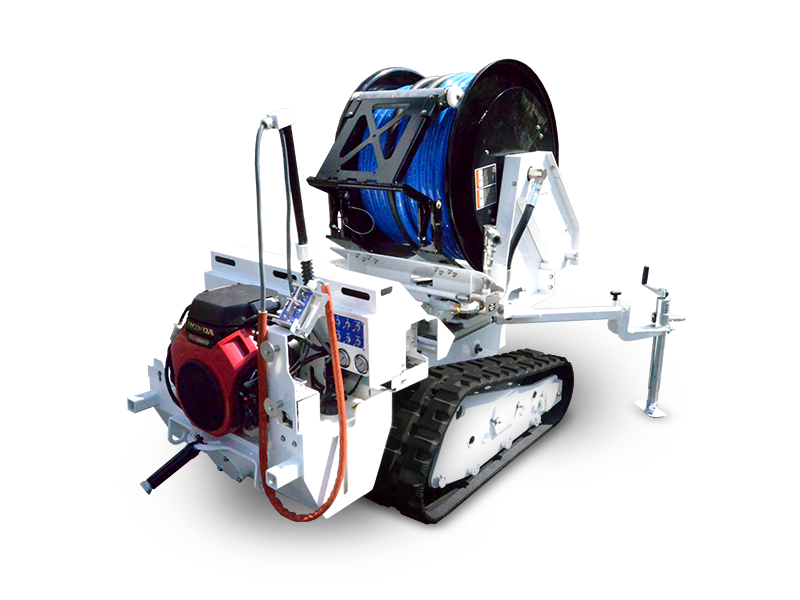
Easement machines are jetters that can help jet hard to access areas, as the hose reel can move away from the water tank/water pump source. The smaller size of the machine also allows for jetting in locations where a truck or trailer would not fit or could not access due to different terrain. However, these machines do not have built in water tanks or pumps, so they must be connected to a jetting machine.
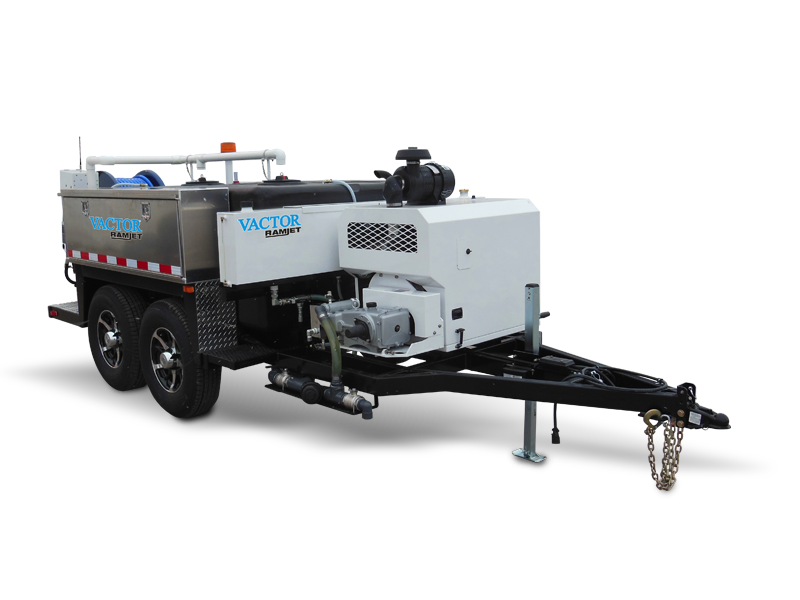
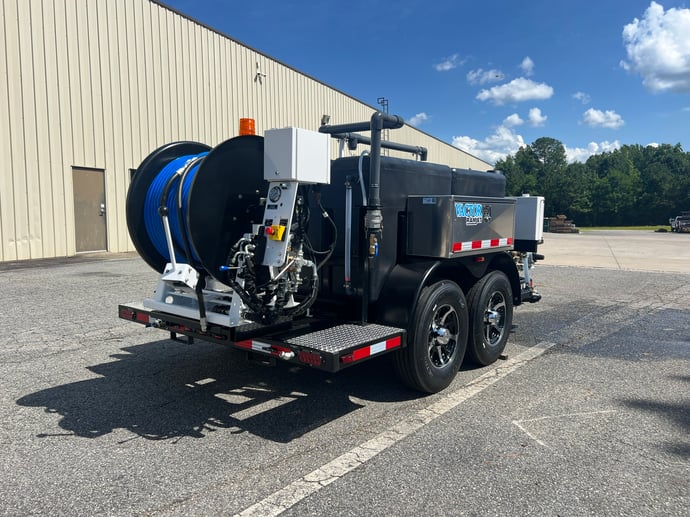
Trailers can be beneficial for smaller jobs and usually hold up to 1,000 gallons of water. Jetter trailers are often cost effective while still offering powerful PSI and GPM capabilities. Unlike easement machines, trailers do have water tanks and pumps. Since they are smaller than trucks, trailers can also be helpful in more congested areas where space is a concern.
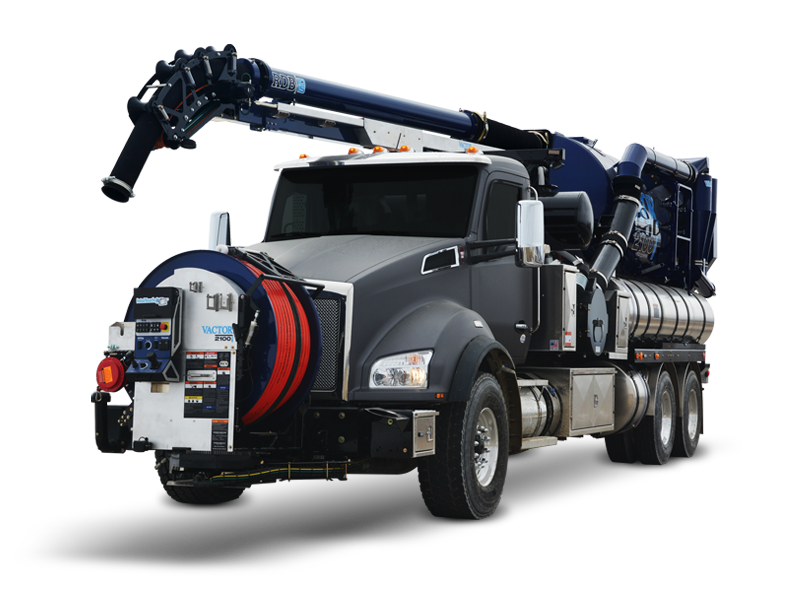
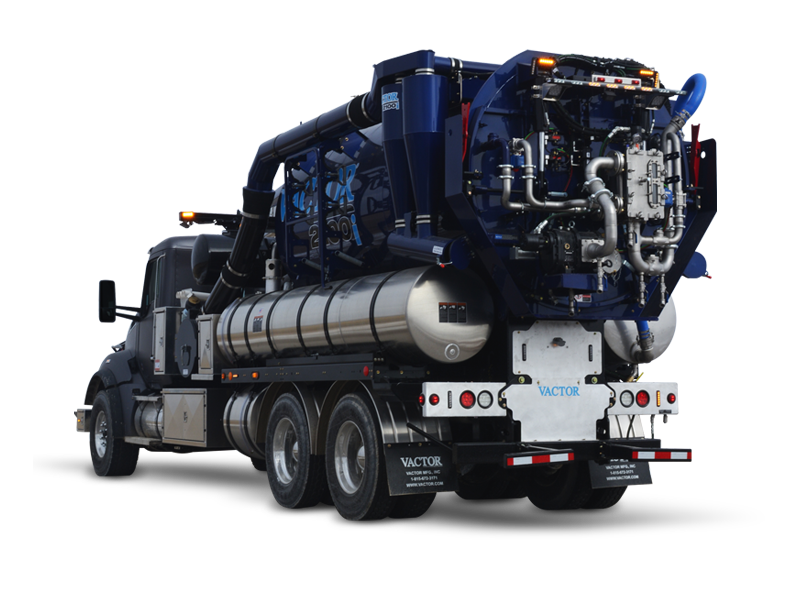
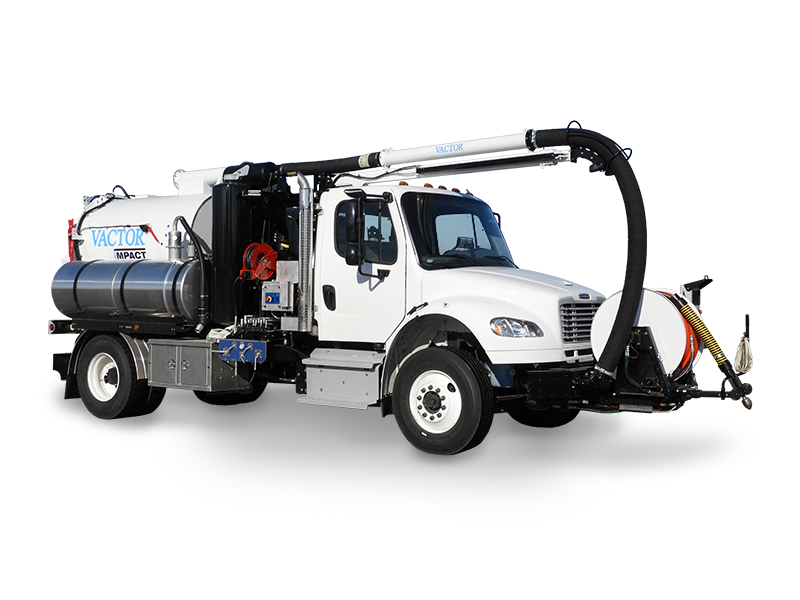
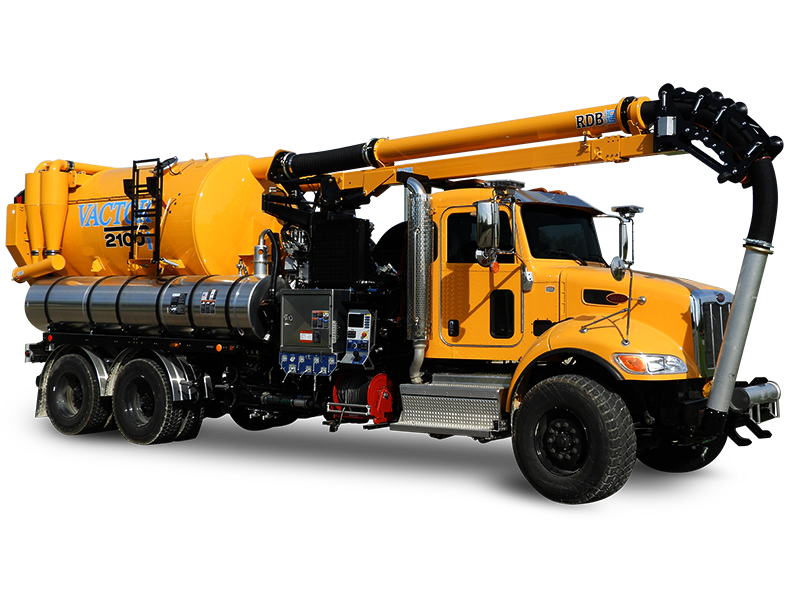
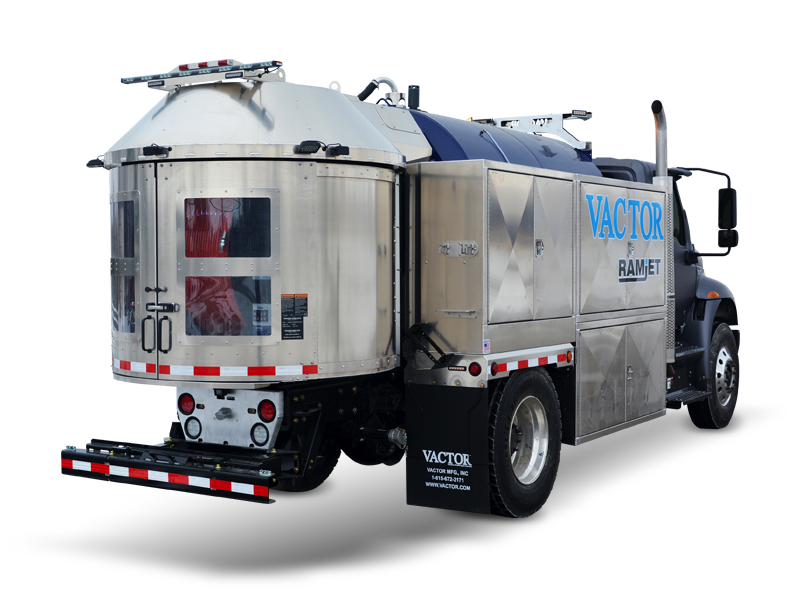
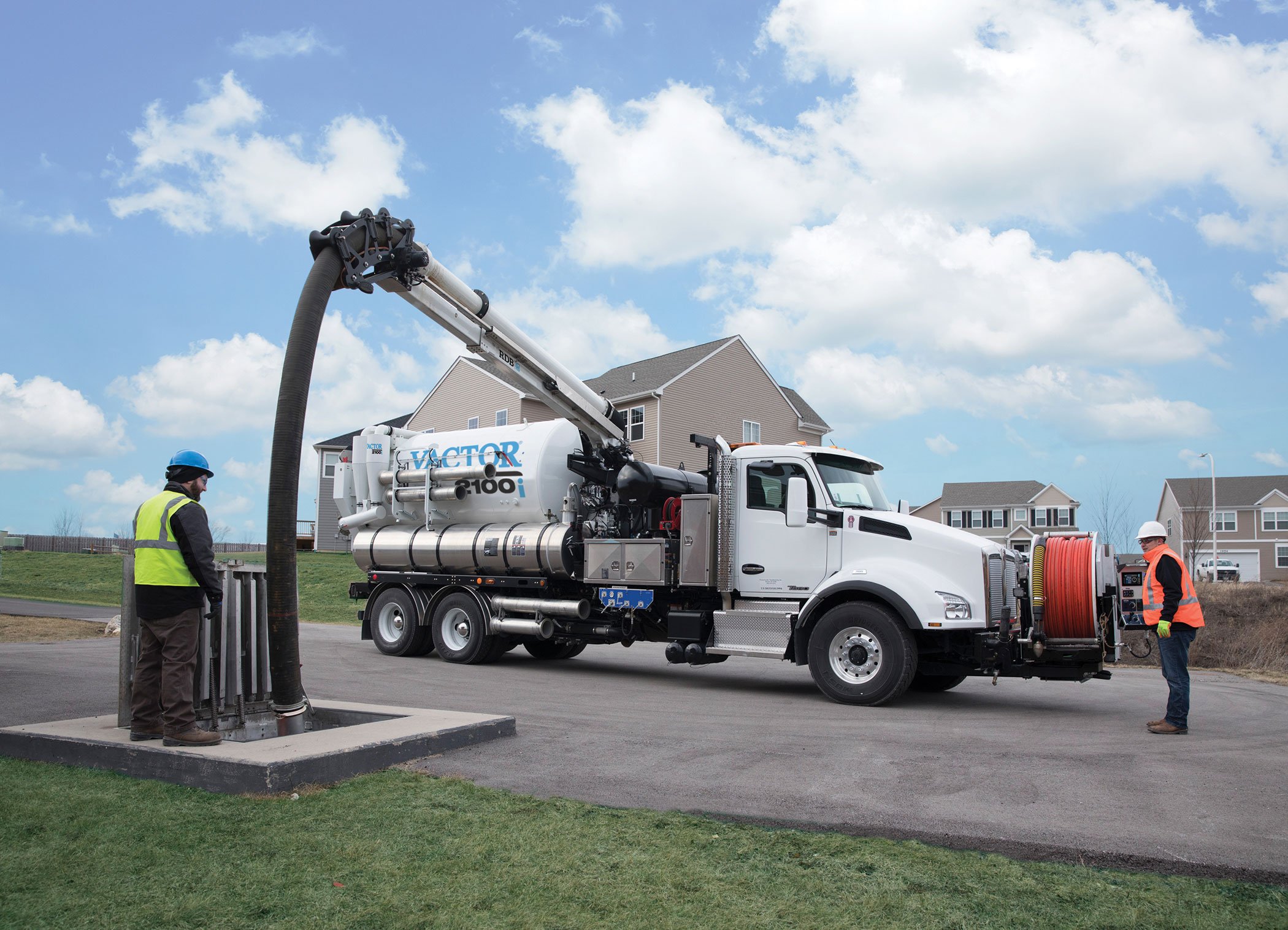
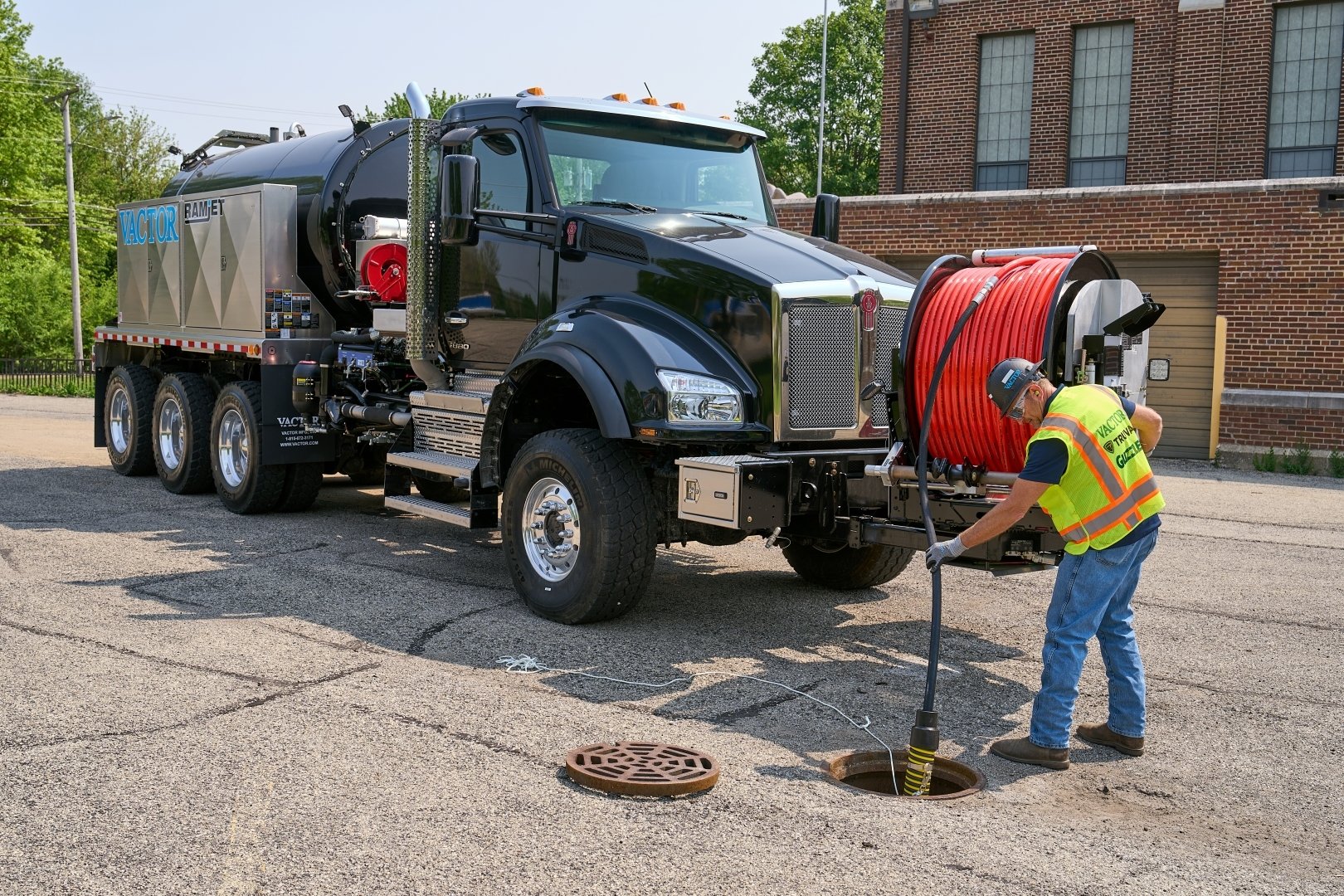
Jetter trucks are more efficient for larger jobs, where more water capacity is needed. Jetter trucks can typically hold up to 3,000 gallons of water and are great for jobs where you are cleaning multiple lines in a day. The higher water capacity means less time spent re-filling the truck with water and more time at the job site. The Vactor Ramjet truck offers Park-N-Clean technology that lets an operator park near a manhole and start cleaning in mere minutes.
Overall, there are many different types of jetters as well as accessories and option content that can help in a wide array of applications. Knowing your environment and using the right machine for the job can keep the sewer lines in your community flowing smoothly.